Table of Contents
Introduction to Cane Furniture in Pakistan
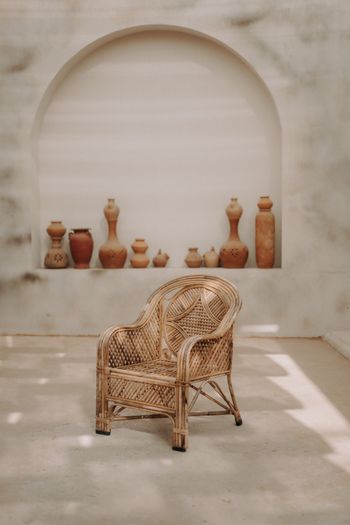
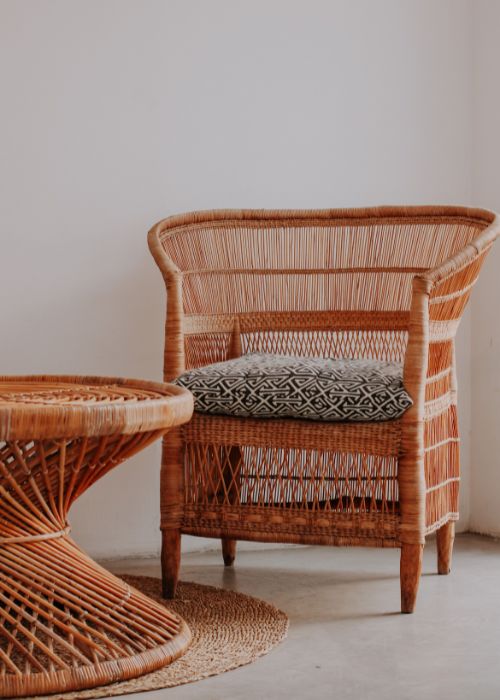
Cane furniture, often interchangeably referred to as rattan or wicker furniture, holds a significant place in Pakistan’s rich heritage and craftsmanship. It is an integral part of our cultural aesthetic, known for its natural appeal, elegance, and durability. Made from the outer bark or skin of the rattan plant, a fast-growing climbing vine found in tropical regions, cane is a renewable resource that contributes to eco-friendly living. While rattan refers to the entire plant, cane specifically denotes its peeled-off, strong, and thin outer layer used for weaving. Cane furniture in Pakistan has been cherished in homes and gardens for decades. In recent years, it has seen renewed interest as a sustainable alternative to mass-produced items.
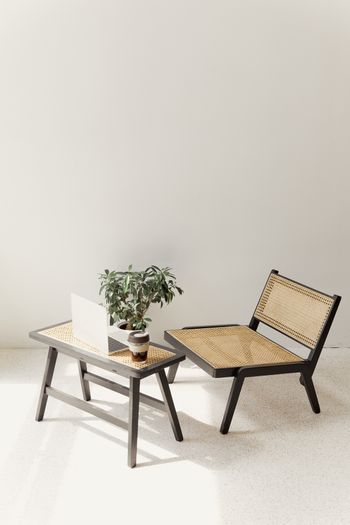
Advantages and Applications of Cane Furniture
Choosing cane furniture in Pakistan offers a host of benefits, making it popular across various settings. One of its standout features is its eco-friendliness; the rattan plant grows quickly, and its responsible harvesting helps preserve forests. Unlike plastic or metal furniture, cane is handwoven with minimal energy consumption and is biodegradable.
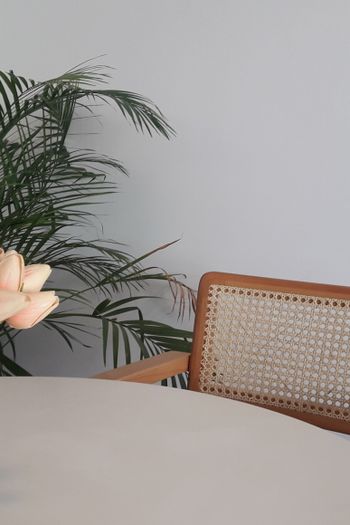
Key Advantages:
- Lightweight Yet Durable: Cane furniture is remarkably lightweight, making it easy to move and rearrange, yet it boasts significant durability. It is also resistant to minor impacts and less prone to cracking or chipping.
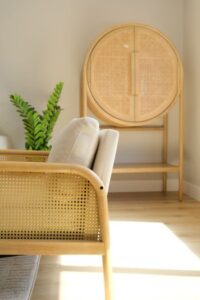
- Versatility and Aesthetics: Its natural look complements diverse design styles, from rustic to modern, adding warmth and texture to both indoor and outdoor spaces. The woven patterns provide a unique aesthetic that never goes out of fashion.
- Cost-Effectiveness: Compared to solid wood furniture, cane pieces are often more affordable, offering excellent value for money. This makes them a budget-friendly option for enhancing living spaces.
- Low Maintenance: Cane furniture generally requires less frequent polishing and upkeep compared to other wooden furniture.
Common Applications:
Cane furniture in Pakistan is incredibly versatile, fitting seamlessly into almost any area of a home or garden.
- Living Rooms and Lounges: Cane sofas, accent chairs, and coffee tables create a relaxed and airy atmosphere.
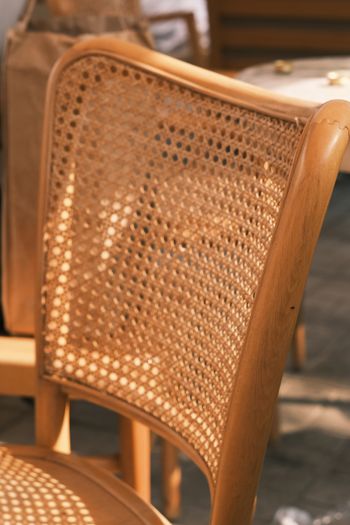
- Dining Areas: Lightweight yet stylish cane dining chairs when paired with various table types.
- Bedrooms: Cane headboards and bedside tables add a natural touch.
- Outdoor Spaces: Garden swings, loungers, and patio sets are popular due to cane’s resistance to climatic conditions, though direct, prolonged sun exposure should be avoided.
- Decorative Pieces: From shelves to baskets, cane adds a handcrafted character and visual openness.
The domestic market for cane and bamboo furniture is thriving, with urban minimalism and rustic decor trends bringing these pieces back into fashion. Pakistan’s furniture exports stood at over $78 million in 2023–24, with cane and bamboo furniture gaining attention among buyers from the UAE, UK, Canada, Saudi Arabia, and Germany.
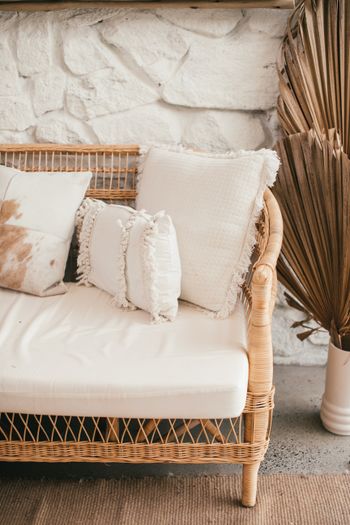
Your Guide to Cane Furniture: Buying and Care
When considering cane furniture in Pakistan, understanding how to buy and care for it is essential for longevity.
Buying Tips:
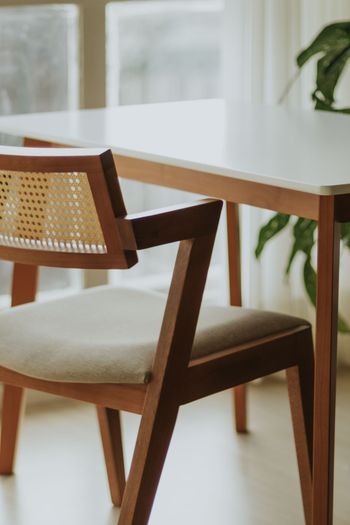
- Inspect Craftsmanship: Look for well-woven patterns and sturdy construction, often featuring solid wood frames for durability.
- Consider Your Space: Cane furniture can make rooms feel lighter, making it suitable for compact apartments as well as larger homes.
- Check Customization Options: Many local artisans and stores offer made-to-order services, allowing for custom dimensions, finishes, and upholstery to suit your specific needs.
- Compare Prices: Prices for cane furniture in Pakistan can vary considerably depending on the size, design, materials, craftsmanship and whether the furniture is new or used. Current Pakistani listings show cane sofas at a range of price points, while a 2025 report on Pakistan’s bamboo and cane furniture market cited a bamboo lounge set in Rawalpindi at around PKR 22,000.
Care Instructions:
Proper maintenance ensures your cane furniture remains beautiful for years.
- Keep it Dry: Avoid excessive moisture, as it can weaken the fibers. Clean spills promptly with a lightly damp cloth and dry the area afterward.
- Regular Cleaning: Dust regularly with a soft brush or a low-suction vacuum attachment. Occasionally wipe with a damp cloth and mild soap solution for deep cleaning.
- Avoid Direct Sunlight and Heat: Prolonged exposure to harsh sunlight can cause fading and make the cane brittle. Keep furniture away from strong heat sources.
- Prevent Sagging: Avoid putting excessive weight or pressure on the cane. Using cushions can help distribute weight evenly. If the cane loosens, occasional sun-drying can help.
- Moisture Management: In dry climates, a whole-room humidifier can help keep the air moist, preventing the cane from drying out. Applying lemon, orange, or mineral oil a few times a year can keep cane supple.
Frequently Asked Questions & Conclusion
Q1: Is cane furniture the same as rattan and wicker furniture?
While often used interchangeably, there’s a subtle difference. Cane is the peeled-off outer layer of the rattan plant, used for weaving. Rattan refers to the entire plant, including its core, which can be used for solid frames. Wicker is a weaving technique, not a material, and can be applied to various materials, including cane and rattan.
Q2: Can cane furniture be used outdoors in Pakistan?
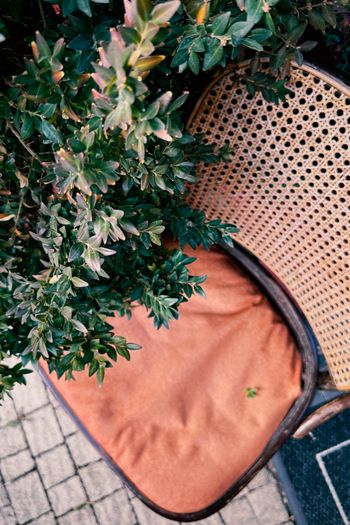
Yes, cane furniture is often used in gardens and patios as it can resist climatic changes. However, it’s advisable to place it in shaded areas and avoid prolonged direct sun or continuous moisture exposure to maintain its natural color and prevent weakening.
Q3: How long does cane furniture last?
With proper care and maintenance, cane furniture can be durable and last for many years, often a decade or more.
Conclusion
Cane furniture in Pakistan represents a beautiful blend of tradition, functionality, and sustainability. Its lightweight nature, aesthetic versatility, and eco-friendly attributes make it an appealing choice for modern living spaces. By understanding its advantages, applications, and simple care routines, we can ensure these handcrafted pieces continue to enrich our homes and support the skilled artisans who keep this legacy alive.