Where to Place Your Rattan Furniture
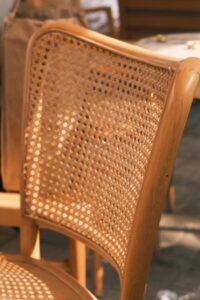
Indoor Rattan Furniture: Natural rattan furniture thrives indoors, adding a relaxed, organic feel to living rooms, bedrooms, sunrooms, and even dining areas. Its natural finish, often in warm honey or golden tones, complements various interior styles, from coastal and bohemian to more modern aesthetics. We recommend using cushions and pillows to enhance comfort, especially for seating.
Outdoor Rattan Furniture: While natural rattan woven furniture can be resilient, it’s generally best suited for indoor use or covered outdoor areas where it’s protected from harsh elements. Synthetic rattan, also known as PE (polyethylene) rattan or resin wicker, is specifically designed for outdoor use. It’s highly weather-resistant, UV-resistant, and can withstand rain, sun, and temperature fluctuations without cracking, fading, or rotting. We often see synthetic rattan furniture on patios, in gardens, or by pools, where it creates cozy and inviting zones for dining, relaxing, or lounging.
Essential Care Tips
Proper care is minimal but crucial for preserving the beauty and extending the life of your rattan.
Regular Cleaning
Dust your rattan furniture regularly with a soft cloth or a vacuum cleaner with a brush attachment to remove loose dirt and prevent buildup in the weaves.
Deep Cleaning
For a deeper clean, mix a gentle solution of warm water and mild soap. Use a soft, damp cloth to wipe the surface, being careful not to soak the rattan. Wipe with the grain to avoid swirl marks. Rinse with a clean, damp cloth and dry immediately with another soft, dry cloth.
Avoid Excessive Moisture and Sunlight
Natural rattan furniture can warp or crack if exposed to too much moisture or direct sunlight for extended periods. If natural rattan becomes wet, dry it outdoors in the sunlight if possible, but avoid sunbathing a wet rattan chair to prevent cracking. For natural rattan that is cracking from dryness, you can oil it with linseed or tung oil to revive the fibers.
Mildew Prevention
To avoid mold and mildew, keep natural rattan away from humid environments, rain, and snow. If mildew forms, a solution of strong bleach in soapy water can be used for cleaning, or a one-part vinegar to four-parts water solution applied with a cloth.
Gentle Handling
Avoid dragging rattan furniture across the floor, as this can cause fibers to split. Lift pieces when moving them.
Frequently Asked Questions & Final Thoughts
We understand you might have more questions about rattan furniture, especially if you’re new to this versatile material.
Frequently Asked Questions
Is rattan furniture waterproof? Natural rattan is generally not waterproof and absorbs water, which can lead to damage over time. High-quality synthetic rattan, however, is designed to repel water and dry quickly, making it suitable for outdoor use, though covers are recommended during heavy storms.
Does rattan break easily? Quality rattan is strong and doesn’t break easily with normal use. Well-made pieces with thick weaving can support significant weight, often up to 200 kgs. Natural rattan can become brittle if consistently exposed to sun and moisture without proper care.
Can rattan furniture be left outside in winter? The Natural one needs to be stored indoors during winter in cold climates. Synthetic rattan furniture can often stay outside in most climates during winter, but using covers will help protect it and extend its lifespan.
Final Thoughts
Rattan furniture offers a timeless charm and practical benefits that make it a fantastic choice for many homes. By understanding the difference between natural and synthetic rattan, knowing where to place your pieces, and following simple care guidelines, you can enjoy the beauty and comfort of rattan furniture for years to come. We encourage you to explore the wide range of styles and pieces available and discover how rattan furniture can enhance your living spaces.